Global and China Plastic Plating Industry Market Development Forecast in 2021
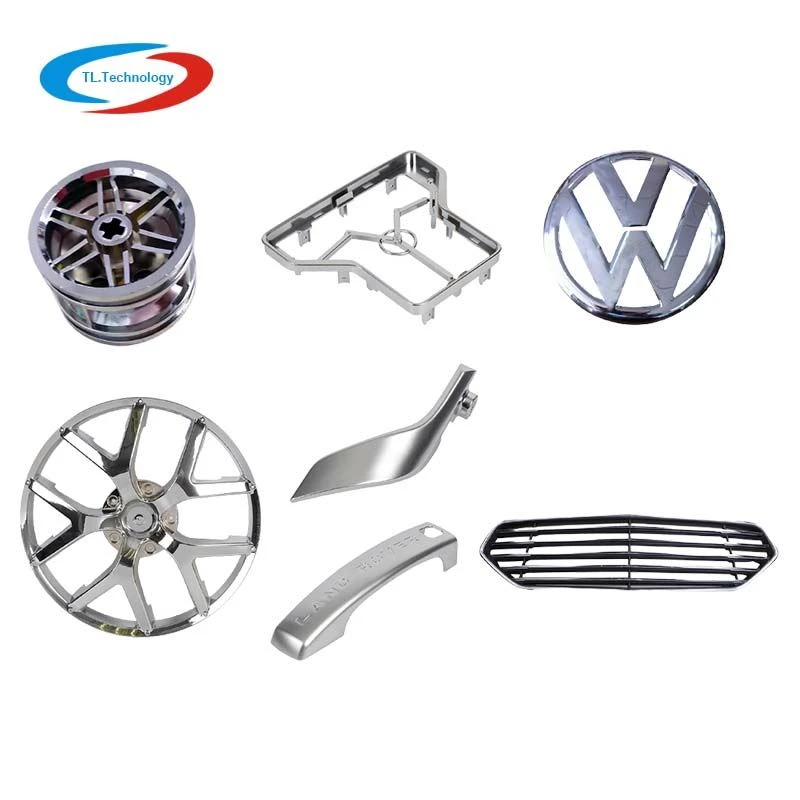
According to the "China Plastic Plating Market Forecast and Investment Value Report (2021 Edition)" released by Liki Information Consulting, plastic plating refers to the processing process of coating the surface of plastics with metal plating by means of chemical plating and electroplating. With this process, the benefits of high productivity, low cost, and lightweight can be retained, thus making it thermally conductive and anti-aging, electrically conductive, and metallic in appearance. As a result, the plastic plating process is now widely used in light industrial products, machine tools, buttons, optical instruments, and electronics.
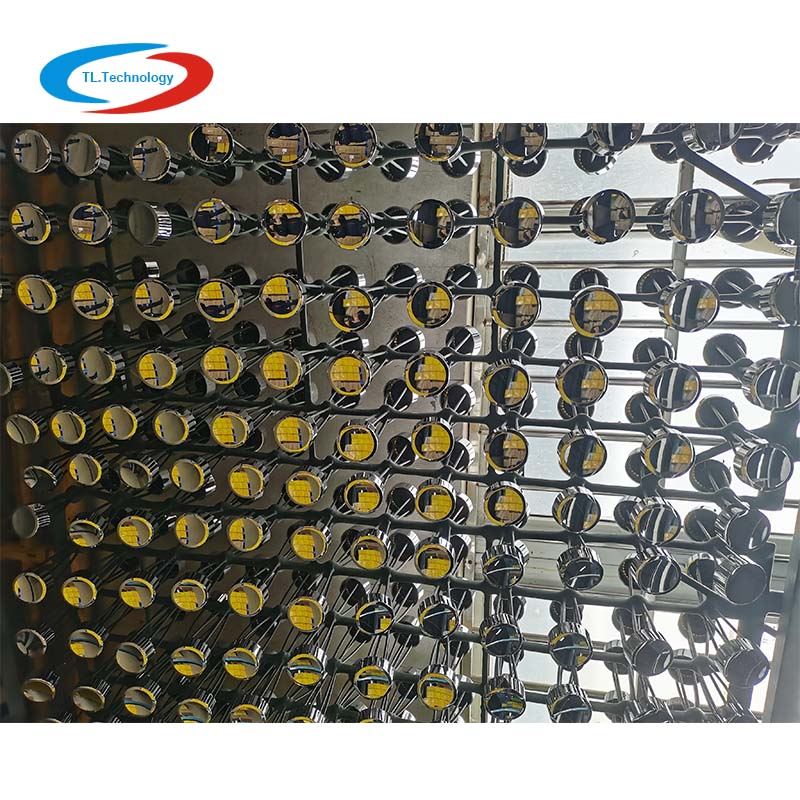
With the rapid development of the industry, the application of plastic plating is becoming more and more widespread, becoming one of the important means of surface decoration in plastic products. At home and abroad, plating has been widely used on the surface of ABS, polypropylene, polysulfone, polycarbonate, nylon, phenolic glass fiber reinforced plastics, polystyrene, and other plastics, among which ABS plastic plating is the most widely used and has the best plating effect.
According to the Frost & Sullivan report, the global demand for automotive plastic plating in 2016 was 131.1 million square meters, up 3.1% year-on-year; in 2017, the global demand for automotive plastic plating was 134.8 million square meters, up 2.8% year-on-year; in 2018, the global demand for automotive plastic plating was 138.3 million square meters, up 2.6% year-on-year; in 2019, the global demand for Automotive plastic plating demand in 2019 is 1.45 million square meters, up 2.3% year-on-year; global automotive plastic plating demand in the first half of 2020 is 55.7 million square meters, up -21.2% year-on-year.
The automotive plating parts industry requires a significant start-up and working capital for acquiring production equipment, setting up industrial wastewater treatment systems, hiring staff, leasing premises, and purchasing raw materials. On average, a new plating line requires an investment of approximately RMB30-40 million.
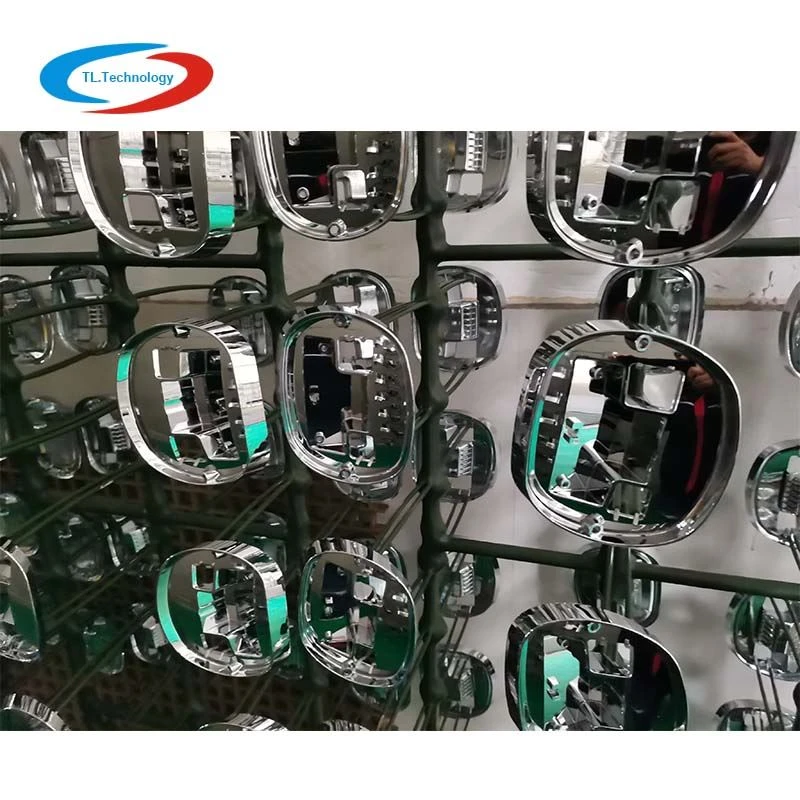
The Chinese automotive plastic plating market is currently fragmented, with over 10,000 manufacturers of automotive plastic plating parts, most of which are SMEs and private companies. Geographically, most industry players are located in close proximity to major automotive manufacturers in areas such as Shanghai, Guangzhou, and Changchun, China. Market consolidation continues and leading market players are capturing market share from competitors due to their close ties with vehicle manufacturers and technical expertise. According to the Frost & Sullivan report, the top five players in the Chinese automotive plastic plating market account for 19.7% of the market in terms of turnover.
Looking ahead, the Chinese automotive plastic plating market is expected to further consolidate through vertical and horizontal integration. Market players are also expected to increase investments in wastewater treatment facilities as well as research and development in environmentally friendly production technologies and new materials for the production of automotive parts.