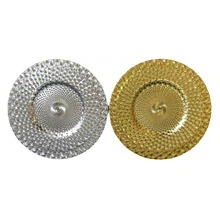
Plastic plating-New Standard changes the Ecology of Electroplating Industry.
Huizhou Boluo Tenglong Technology Co., Ltd. serves you wholeheartedly! Mainly engaged in plastic hydroelectroplating processing, with plastic injection molding processing, mold processing and so on!
As one of the four basic processes of manufacturing industry, electroplating is widely used in various industries, such as high-end electronics, aviation, aerospace, energy, nuclear industry, low-end daily hardware, auto parts, stationery products and so on. It is an irreplaceable service industry.
According to incomplete statistics, in 2009, the number of electroplating enterprises in China (above scale enterprises) totaled 15000, more than 5000 production lines and 250-300 million square meters of electroplating area production capacity. In recent years, with the rectification of heavily polluting enterprises by local governments, the number of electroplating enterprises has a decreasing trend.
In 2008, the Ministry of Environmental Protection issued the Electroplating Pollutant Emission Standard (GB21900-2008), which provides a basis for the management of key industries and key pollution sources.
What are the problems encountered in the new emission standard?
It is necessary to find a balance between reaching the standard and investment and operating costs.
According to the physical and chemical properties, harmfulness and pollution control needs of electroplating water pollutants, a total of 20 pollutants were selected as water pollution control items in the new standard, including 11 metal pollutants and 9 non-metal pollutants. Compared with the discharge concentration limits of surface treatment wastewater in some EU countries, the strictness of the discharge standards of metal pollutants in the standards are in the middle and upper reaches. The chemical oxygen demand, phosphorus and other non-metallic pollutants are strictly controlled because they are included in the total discharge amount of pollutants from surface water bodies.
The survey found that there are some common problems in the implementation of standards in local electroplating enterprises / parks:
First of all, due to the poor biodegradability of wastewater, biochemical indexes such as COD, ammonia nitrogen, total nitrogen and total phosphorus can not be treated by conventional AO or A2O process, which is the main factor exceeding the standard. The main sources of COD in electroplating wastewater are esters in pretreatment wastewater (oil removal, wax removal), various additives in plating solution (surfactant, brightener, complexing agent, etc.), and "pseudo COD" produced by excessive addition of reducing agent. Although the COD concentration of electroplating wastewater is not high (200~300mg/L), it can not be treated effectively by conventional biological method because of its poor biodegradability.
Secondly, Cu ion is the main over-standard factor of heavy metal ions in the chemical treatment process. The complexing agents (EDTA, sodium tartrate, etc.) produced in the electroplating process chelate with copper to form complex copper, and other processes will also produce corresponding copper-containing complexes, which is easy to break or incomplete precipitation in the chemical precipitation method, resulting in copper exceeding the standard.
Thirdly, there is a great pressure on the investment and operation cost to reach the special discharge limit of reclaimed water pollutants. In order to meet the standard, heavy metal wastewater and reusable wastewater mostly use membrane technology in the park or enterprises. The investigation found that the input cost of membrane treatment of electroplating wastewater large-scale centralized sewage treatment plant accounts for about 20%-30% of the total cost, and the operating cost increases by about 25%-40%. The membrane treatment cost and operating cost of small and medium-sized electroplating wastewater treatment plants are higher, which is a bit high for electroplating wastewater treatment plants that have been renovated or newly built.
The park has become the main form of development.
From extensive distribution to centralized development, but the situation of enterprises entering the park is not ideal.
The survey found that 4 years after the promulgation of the standard, the pattern of the electroplating industry and the corresponding governance industry has changed.
First of all, the form of the industry has developed from extensive distribution to centralized distribution. The centralized development of electroplating park has become the main development mode of electroplating industry at present and in the future. The construction of the electroplating park can achieve unified production, unified management and unified pollution control, which is conducive to the supervision of the electroplating industry in a region. But at the same time, the development of electroplating enterprises in the park also means the improvement of the scale, automation, management level and requirements of electroplating enterprises, as well as nearly half of the relocation loss and customer loss, which poses a great challenge to government departments. The survey found that at present, there are more than 100 electroplating parks or agglomeration areas that have been built or are under construction.
The survey found that although Guangdong, Chongqing and other provinces and cities are actively promoting the development of electroplating enterprises into the park, and adopted certain compulsory measures, but the situation is still not very satisfactory. For example, the admission rate of places such as Zhongshan and Huizhou in Guangdong is about 50%, while electroplating enterprises outside the park in Chongqing still account for more than 50%.
After 2010, Zhejiang Province has formulated more and more stringent comprehensive regulation standards and acceptance standards for electroplating enterprises, and issued a series of policies. For example, document No. 67 issued by the Environmental Protection Department of Zhejiang Province states, "by the end of 2012, electroplating parks will be completed in counties (cities and districts) with a large number of electroplating enterprises, except for retaining a small number of benchmarking enterprises." in principle, all electroplating enterprises have completed the integrated development of moving into the park or leasing factories and equipment in the park. " At the same time, 56 acceptance standards for comprehensive pollution treatment in electroplating enterprises were established, including 9 for wastewater treatment, 6 for waste gas treatment and 3 for solid waste treatment. The 56 strict acceptance standards have left a deep impression on the electroplating enterprises in Zhejiang Province. the survey found that almost all the local electroplating enterprises will mention this standard.
Hot Tags: new standard changes the ecology of electroplating industry, China, suppliers, manufacturers, factory, custom, wholesale, buy, made in China